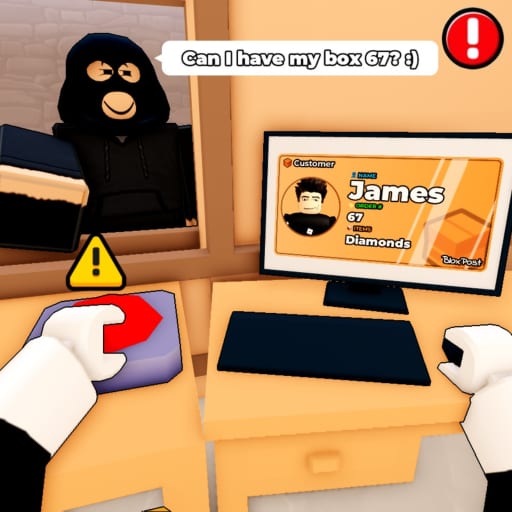
Mail or Jail Endings Explained
Fired runs, full seven-shift clears, and how mistake limits decide which ending you see.
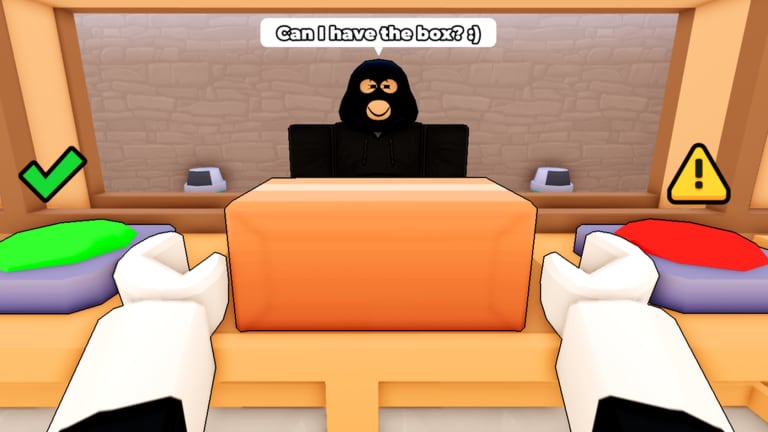
Mail or Jail endings are simpler than sprawling RPG finales but harsh in the way postal sims should be: either you keep your job through all seven shifts, or too many mistakes get you FIRED and the run ends early. Delivery Day Studios frames the campaign as a survival test—unload trucks, verify IDs, deliver mail, jail thieves, survive random events—and endings reflect whether you met that standard.
This guide explains outcome branches without spoiling cosmetic flair that updates may add. Pair it with the full walkthrough video, which shows ending transitions visually, and Shift 1 tips if you never reach late shifts because early mistakes fire you first.
The two core outcome families
Fired ending (mistake threshold)
When cumulative mistakes cross the firing line, Mail or Jail ends your current employment arc. Triggers include but are not limited to:
- Approving fraudulent IDs or releasing packages to disguised thieves.
- Delivering to wrong addresses or losing parcels.
- Failing to arrest package thieves before escape.
- Ignoring or failing random event objectives when they count as errors.
The fired screen is not a soft fail state—it resets campaign progress for that attempt. You restart from Shift 1 (or the game’s checkpoint rules if updates add them). Official copy emphasizes FIRED loudly because the sim treats your job seriously.
Players who rage-quit after firing often repeat the same mistake type. Use the mistake tracker to label errors: ID, delivery, thief, event. Fix the highest-frequency category before another seven-shift attempt.
Success ending (seven-shift clear)
Surviving Shift 7 without crossing the firing threshold completes the core campaign. Success means you:
- Unloaded trucks reliably across the week.
- Maintained verification discipline under rising disguise quality.
- Delivered mail to correct recipients under time pressure.
- Jailed thieves before package loss stacked.
- Survived event layers documented in survival tips.
Exact celebration scenes may vary by update, but the player-facing win condition is consistent: all seven shifts complete, still employed. The walkthrough video on full walkthrough demonstrates this path end-to-end.
Mistakes and invisible budgets
Mail or Jail does not always show a public mistake counter in beginner-friendly form. Experienced players still behave as if one more error ends the run on Shift 6–7 because effective budgets tighten there.
General rules:
- Early shifts tolerate small errors; use them to learn, not to speedrun.
- Mid shifts punish stacked minor failures.
- Late shifts treat single bad approvals as catastrophic.
Verification remains the highest-leverage skill. One thief approved at the ID panel costs more than running slowly between houses. Study controls so mis-clicks never masquerade as bad judgment.
Endings versus repeat attempts
Endings are per-run, not permanent account locks. After firing you can immediately retry Shift 1 with knowledge:
- Route memorization helps speed but cannot replace ID reading.
- Event patterns repeat enough that random events study pays off on attempt two or three.
- Group bonus from Roblox group 372114481 and codes may ease QoL but do not change firing logic.
Some players chase perfect runs with zero mistakes—a self-imposed ending tier. The game officially cares about staying under the firing line, not flawless medals, but zero-mistake clears are respectable bragging rights in co-op lobbies.
Shift-specific ending pressure
| Shift range | Ending relevance |
|---|---|
| Shift 1–2 | Learn systems; firing possible but uncommon for careful players |
| Shift 3–4 | Fired ending spikes; verification and events collide |
| Shift 5–6 | Tight budgets; one bad chain ends runs |
| Shift 7 | Final gate; success ending visible if you stay employed |
If you repeatedly fire on the same shift number, reread that segment in the full walkthrough instead of grinding blindly.
Co-op and endings
Mail or Jail supports multiple platforms and social play. Mistakes may be individual or shared depending on update rules—when in doubt, assume your bad ID click still fires you. Coordinate with friends using Guides and voice comms for thief calls, but never outsource verification.
After you see an ending
If fired: Log mistake type, adjust checklist usage, practice Shift 1 tips until bored, then push mid shifts.
If cleared: Replay for consistency, help friends on controls, or read the review to compare your experience with broader player sentiment.
Related pages
- Shifts hub — Campaign structure
- Full walkthrough — Video-backed route through all endings context
- Event survival tips — Reduce mistake load from hazards
- Tools — Track how close you are to fired
Mail or Jail endings reward patience and punish autopilot. Know which side of the hiring line you are on before Shift 7 starts, and treat every ID panel like it decides the ending—because it often does.
Frequently Asked Questions
Quick answers players ask after every shift.
How many endings does Mail or Jail have?
Player-facing outcomes center on getting fired versus completing all seven shifts. Bonus scenes may vary by update, but those two families define runs.
Can you continue after getting fired?
Firing ends the current campaign attempt. Start a new run from early shifts and apply fixes from the [mistake tracker](/tools/).
What causes firing fastest?
Bad ID approvals and missed thieves stack quickly. Verification discipline prevents most fired endings.
Where can I watch ending transitions?
The [full walkthrough](/shifts/full-walkthrough/) video shows fired and success outcomes during a complete Shift 1–7 playthrough.